HAND THERAPY NYC

Hand Therapy Rehab

Our Hand Therapy Center Offers

  • Evidence-Based Progressive Rehabilitation
  • Integrated Treatment Approach
  • Post-Operative & Sports Rehabilitation
  • Specialized Hand & Upper Extremity Care

Expert Hand Therapy in Brooklyn

Hand therapy is a specialized area of rehabilitation dedicated to treating complex conditions, injuries, and post-surgical recovery affecting the hands, wrists, forearms, and elbows. At Physio Logic, our hand therapy services are provided by skilled therapists with advanced training and certification in upper extremity rehabilitation.

Whether you’re recovering from surgery, managing a chronic condition, or dealing with an acute injury, our comprehensive approach combines manual therapy, therapeutic exercises, custom splinting, and patient education to restore function and reduce pain.

What Hand Therapy Provides

Preventative & Conservative Treatment

Our non-surgical treatment options focus on healing and prevention:

Pain Management: Effective strategies for both acute and chronic hand pain using manual therapy, modalities, and therapeutic exercises.

Nerve Injury Recovery: Specialized desensitization techniques and sensory re-education protocols to restore normal sensation and function after nerve trauma or compression.

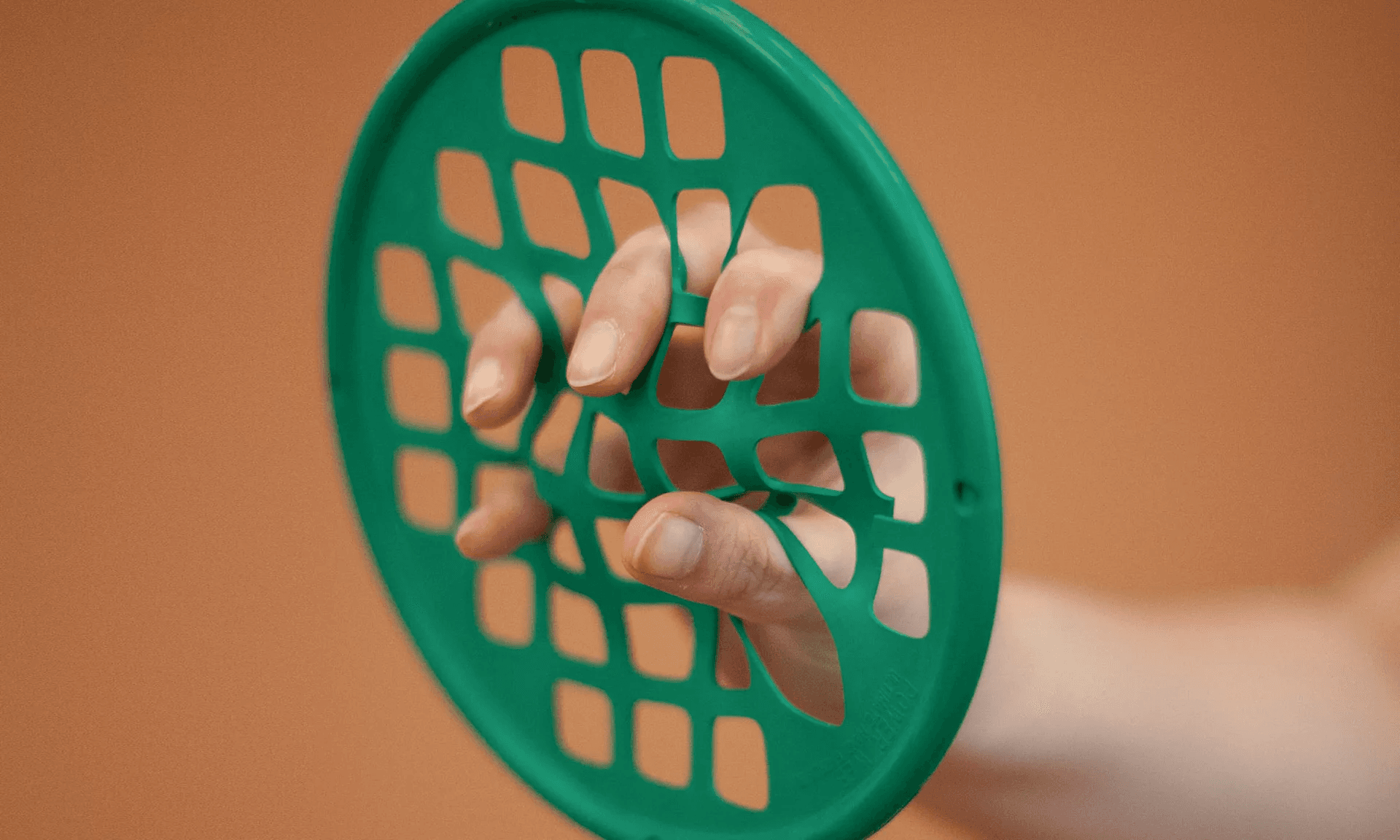
Functional Restoration: Customized home exercise programs designed to improve range of motion, grip strength, fine motor control, and dexterity.

Activities of Daily Living Training: Practical techniques and adaptive strategies to help you perform everyday tasks with greater ease and independence.

Return-to-Work Conditioning: Targeted strengthening and task-specific training to prepare you for the physical demands of your occupation.

Post-Operative Rehabilitation

Following hand or upper extremity surgery, specialized care includes:

Wound & Scar Management: Expert techniques to promote proper healing, minimize scarring, and prevent adhesions that can limit movement.

Hypersensitivity Treatment: Gentle desensitization methods to manage and reduce painful scar sensitivity.

Edema Control: Manual lymphatic drainage and compression techniques to reduce post-surgical swelling and promote healing.

Progressive Strengthening: Carefully phased rehabilitation protocols that respect healing timelines while maximizing recovery.

Splinting & Orthotic Fabrication: Custom-made splints to protect healing tissues, maintain proper positioning, and facilitate optimal recovery.

Conditions We Treat

Overuse & Repetitive Strain Injuries

  • Carpal Tunnel Syndrome: Nerve compression causing numbness, tingling, and weakness in the hand
  • Tendonitis: Inflammation of tendons from repetitive movements
  • Tennis Elbow (Lateral Epicondylitis): Pain on the outer elbow from overuse
  • Golfer’s Elbow (Medial Epicondylitis): Inner elbow pain affecting grip strength
  • Trigger Finger: Catching or locking sensation when bending fingers
  • Mallet Finger: Inability to straighten the fingertip following injury

Chronic Hand & Wrist Conditions

  • Rheumatoid Arthritis: Inflammatory arthritis affecting joint function and alignment
  • Osteoarthritis: Degenerative joint disease causing pain and stiffness
  • Dupuytren’s Contracture: Progressive thickening of tissue causing finger contracture
  • De Quervain’s Tenosynovitis: Thumb-side wrist pain affecting tendon movement
  • Raynaud’s Syndrome: Circulation disorder causing color changes in fingers
  • Writer’s Cramp: Task-specific muscle cramping and pain
  • Musician Injuries: Overuse injuries specific to instrumental performance

Acute Injuries & Post-Surgical Conditions

  • Fractures: Broken bones in the hand, wrist, or forearm requiring rehabilitation
  • Ligament Injuries: Sprains and tears affecting joint stability
  • Post-Operative Rehabilitation: Recovery following reconstructive or corrective surgery
  • Nerve Injuries: Radial, ulnar, or median nerve damage affecting sensation and movement
  • Complex Regional Pain Syndrome (CRPS): Chronic pain condition following injury
  • Reflex Sympathetic Dystrophy (RSD): Nerve disorder causing persistent pain and dysfunction
  • Tendon Repairs: Recovery following tendon surgical reconstruction
  • Joint Replacements: Rehabilitation after arthroplasty procedures

Our Treatment Approach

Hand therapy at Physio Logic combines multiple therapeutic techniques tailored to your specific needs:

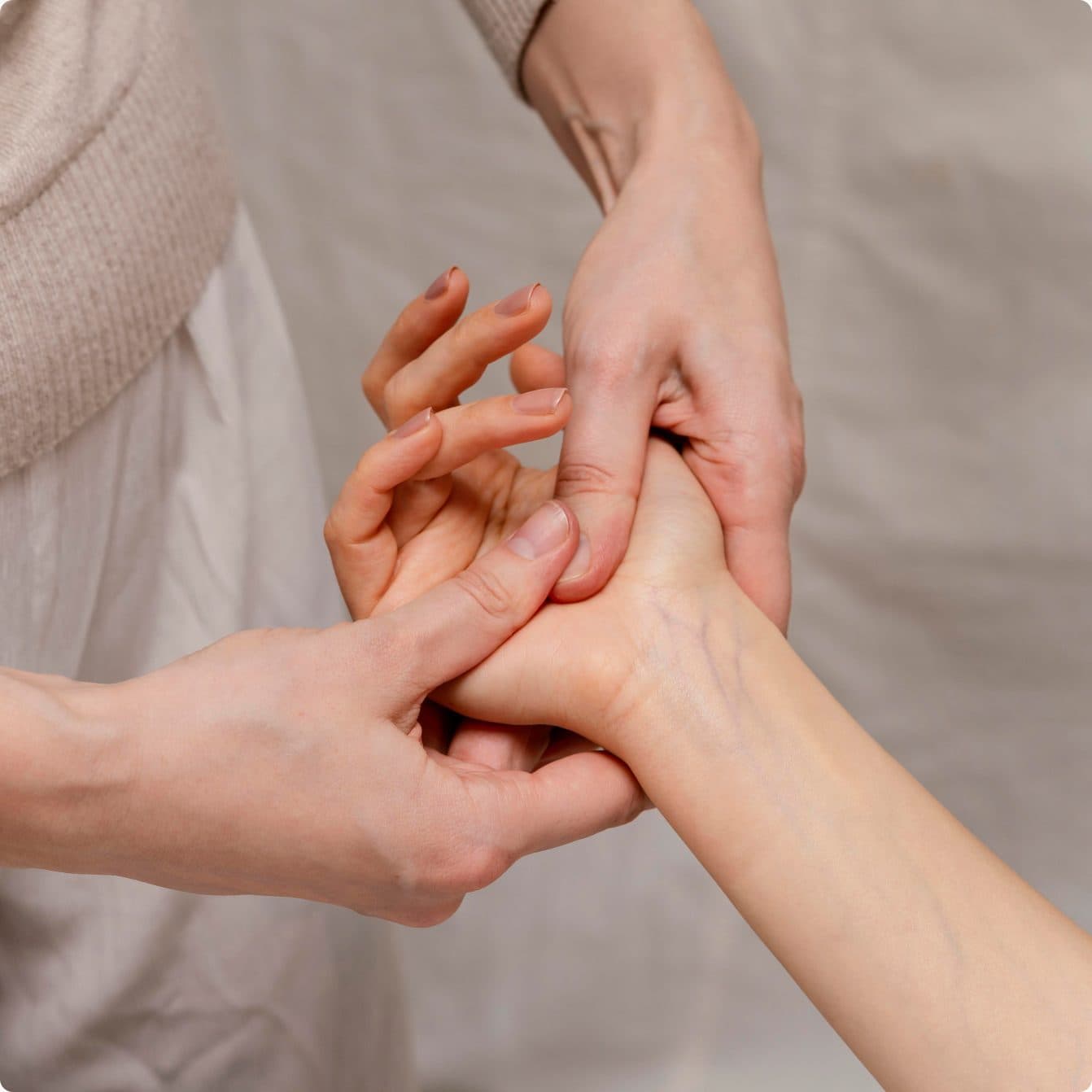
  • Manual Therapy: Hands-on techniques to improve joint mobility and soft tissue flexibility
  • Therapeutic Exercise: Targeted strengthening, stretching, and coordination exercises
  • Custom Splinting: Fabrication of protective or corrective orthoses
  • Scar Management: Massage, silicone therapy, and mobilization techniques
  • Edema Management: Compression, elevation, and manual techniques to reduce swelling
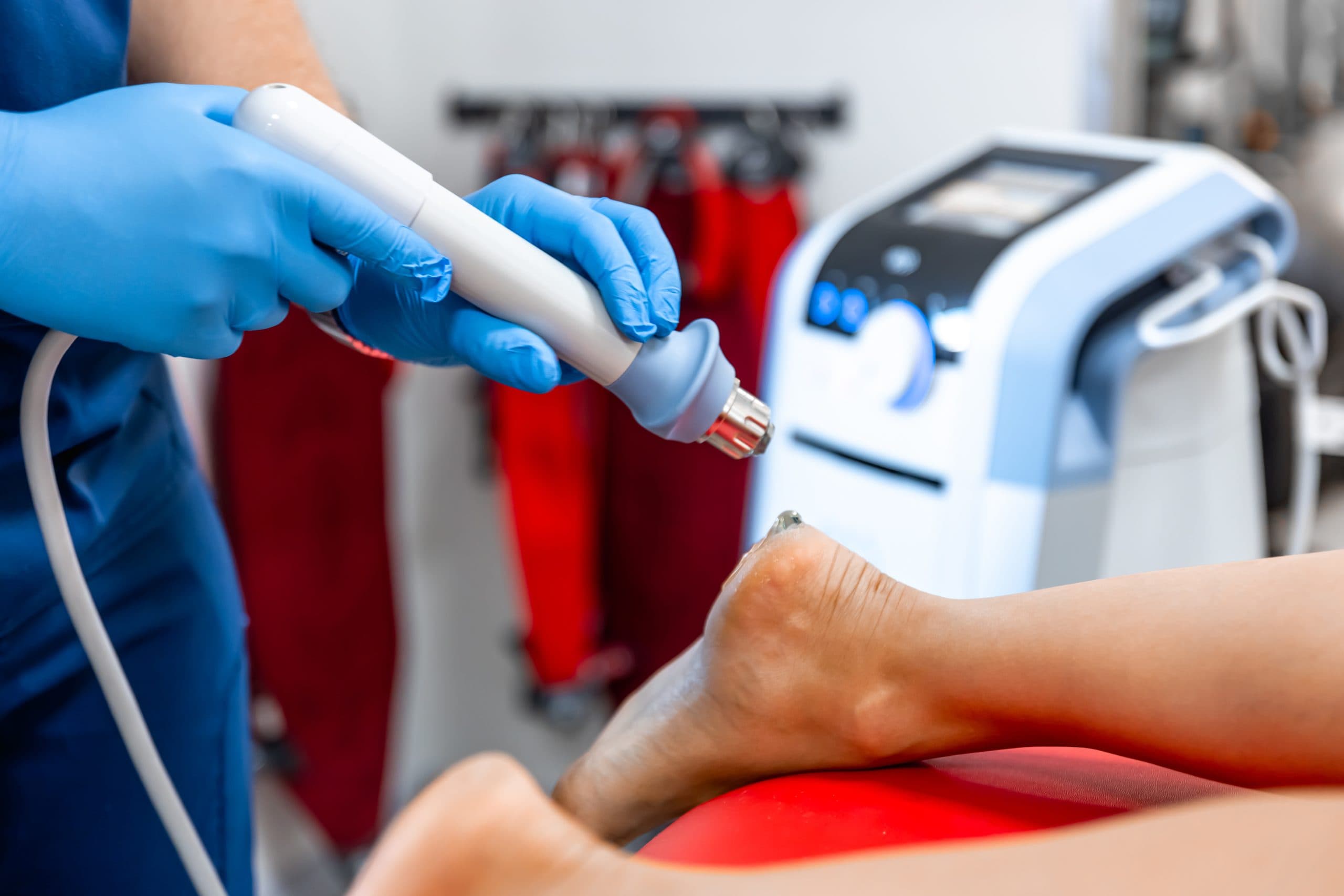
  • Modalities: Use of heat, cold, ultrasound, and electrical stimulation when appropriate
  • Ergonomic Education: Workplace and activity modifications to prevent re-injury
  • Functional Training: Task-specific practice to restore independence in daily activities

Why Choose Physio Logic for Hand Therapy?

Specialized Expertise: Our therapists have advanced training specifically in hand and upper extremity rehabilitation, ensuring you receive expert care.

Comprehensive Care: We address not just your injury, but the underlying factors contributing to your condition, promoting lasting recovery.

Individualized Treatment: Every therapy plan is customized to your specific diagnosis, goals, and lifestyle requirements.

State-of-the-Art Facility: Modern equipment and a comfortable treatment environment designed for optimal healing.

Collaborative Approach: We work closely with your physician, surgeon, or other healthcare providers to ensure coordinated care.

Evidence-Based Methods: Our treatments are grounded in the latest research and proven clinical protocols.

MEET YOUR TEAM

DR. EVA SHI, DPT

DR. EVA SHI, DPT

DOCTOR OF PHYSICAL THERAPY

DR. SASHA JARRETT

DR. SASHA JARRETT

DOCTOR OF PHYSICAL THERAPY

DR. KEVIN DOYLE

DR. KEVIN DOYLE

DOCTOR OF PHYSICAL THERAPY

Read More on Hand Therapy

Frequently Asked Questions About Hand Therapy

What Is Hand Therapy?

Hand therapy is a specialized form of rehabilitation provided by occupational or physical therapists with advanced training in treating conditions of the hand, wrist, forearm, and elbow. It focuses on restoring function, reducing pain, and helping patients return to their daily activities and occupations.

Do I need a referral to receive hand therapy?

This depends on your insurance plan and state regulations. Many insurance plans require a physician’s referral for physical therapy services. We recommend checking with your insurance provider. Our office can also help verify your coverage and requirements.

How long does each hand therapy session last?

Typical hand therapy sessions range from 45 to 60 minutes, depending on your specific treatment needs and insurance coverage. Initial evaluations may take longer to allow for comprehensive assessment.

How many hand therapy sessions will I need?

The number of sessions varies based on your specific condition, severity, and individual healing response. Minor injuries may require 4-6 weeks of therapy, while complex surgeries or chronic conditions might need 8-12 weeks or more. Your therapist will provide an estimated treatment timeline after your initial evaluation.

What should I bring to my first hand therapy appointment?

Please bring your prescription or referral (if required), insurance card, photo ID, any relevant imaging (X-rays, MRI reports), a list of current medications, and any splints or braces you’ve been using. Wear comfortable clothing that allows easy access to your arm.

Will hand therapy hurt?

Some mild discomfort during certain treatments or exercises is normal, especially after surgery or injury. However, therapy should not cause excessive pain. We work within your comfort level and adjust techniques as needed. Some temporary soreness after therapy is common as you work healing tissues.

What's the difference between occupational therapy and physical therapy for the hand?

Both occupational therapists (OTs) and physical therapists (PTs) can specialize in hand therapy through additional certification and training. The core treatment techniques are similar. Traditionally, OTs may focus more on fine motor skills and activities of daily living, while PTs may emphasize strength and mobility, but certified hand therapists from both disciplines provide comprehensive care.

Can hand therapy help avoid surgery?

In many cases, yes. Conservative hand therapy can successfully treat conditions like carpal tunnel syndrome, trigger finger, arthritis, and tendonitis, potentially eliminating the need for surgery. Even when surgery is eventually required, pre-operative therapy can improve outcomes.

When should I start hand therapy after surgery?

The timing depends on your specific surgical procedure and your surgeon’s protocol. Some surgeries require immediate therapy to prevent stiffness, while others need several weeks of protected healing first. Your surgeon will provide specific instructions about when to begin therapy.

Will I need a splint or brace?

Many hand conditions benefit from splinting, either for protection during healing, to correct deformity, or to rest inflamed tissues. If needed, we can fabricate custom splints in our clinic tailored to your exact measurements and requirements. Custom splints typically provide better fit and function than prefabricated options.

Can I work while receiving hand therapy?

This depends on your specific condition and job requirements. Many patients continue working with modifications. Your therapist can provide guidance on activity restrictions and work accommodations. We also offer return-to-work conditioning programs for those transitioning back to physically demanding jobs.

How soon will I see improvement?

Improvement timelines vary significantly based on your condition. Some patients notice reduced pain and improved function within a few sessions, while complex or chronic conditions require more time. Consistency with home exercises and following activity precautions significantly impacts your recovery speed.

What are home exercises, and why are they important?

Home exercises are therapeutic activities prescribed for you to perform between therapy sessions. They’re crucial for maintaining and building upon the progress made during clinic visits. Consistent home exercise performance often makes the difference between good and excellent outcomes.

Does insurance cover hand therapy?

Most insurance plans cover hand therapy when medically necessary and prescribed by a physician. Coverage varies by plan, and may include copays, deductibles, or session limits. Our office can verify your specific benefits and explain your coverage before you begin treatment.

What if I'm a musician or athlete with a hand injury?

We have experience treating performing artists and athletes with specialized injuries. Treatment includes not only rehabilitation but also technique analysis, instrument-specific exercises, and sport-specific training to ensure safe return to your activity at the highest level possible.

Can hand therapy help with arthritis?

Yes, hand therapy is highly effective for managing arthritis symptoms. Treatment includes joint protection education, exercises to maintain mobility and strength, pain management techniques, adaptive equipment recommendations, and splinting when appropriate to reduce pain and improve function.

I had carpal tunnel surgery but still have symptoms. Can hand therapy help?

Post-surgical symptoms can occur for various reasons, including incomplete nerve recovery, scar tissue, tendon adhesions, or persistent inflammation. Hand therapy can address many of these issues through scar management, nerve gliding exercises, and progressive strengthening. We’ll work with your surgeon to optimize your recovery.

What is the difference between hand therapy and regular physical therapy?

Hand therapy requires specialized training beyond standard physical therapy education. Certified Hand Therapists (CHTs) have completed thousands of hours working specifically with hand and upper extremity conditions and have passed a rigorous certification exam. This specialization ensures expert-level care for complex hand conditions.

Can I drive myself to and from appointments?

This depends on your specific injury and treatment stage. If your dominant hand is affected or you’re in a splint/cast, you may need someone to drive you. If you’ve had surgery with sedation or are taking pain medications that affect your ability to drive, you should arrange transportation. Your therapist can advise you on when it’s safe to resume driving.

What happens if I miss a scheduled appointment?

Consistency is important for optimal recovery. If you must cancel, please provide at least 24 hours notice so we can offer your time slot to another patient. Our office will work with you to reschedule missed appointments as quickly as possible to keep your rehabilitation on track.