Expert Care for Every Stage of Motherhood
Pregnancy and childbirth are transformative experiences that place extraordinary demands on your body. At Physio Logic in Brooklyn, our specialized prenatal and postpartum physical therapy team supports you through every stage of motherhood—from pregnancy through postpartum recovery and beyond.
Our integrated approach combines physical therapy, pelvic floor therapy, and Pilates-based rehabilitation to help you stay strong, prevent injury, and recover fully after childbirth.
Why Choose Prenatal & Postpartum Physical Therapy?
Pregnancy Changes Your Body in Profound Ways
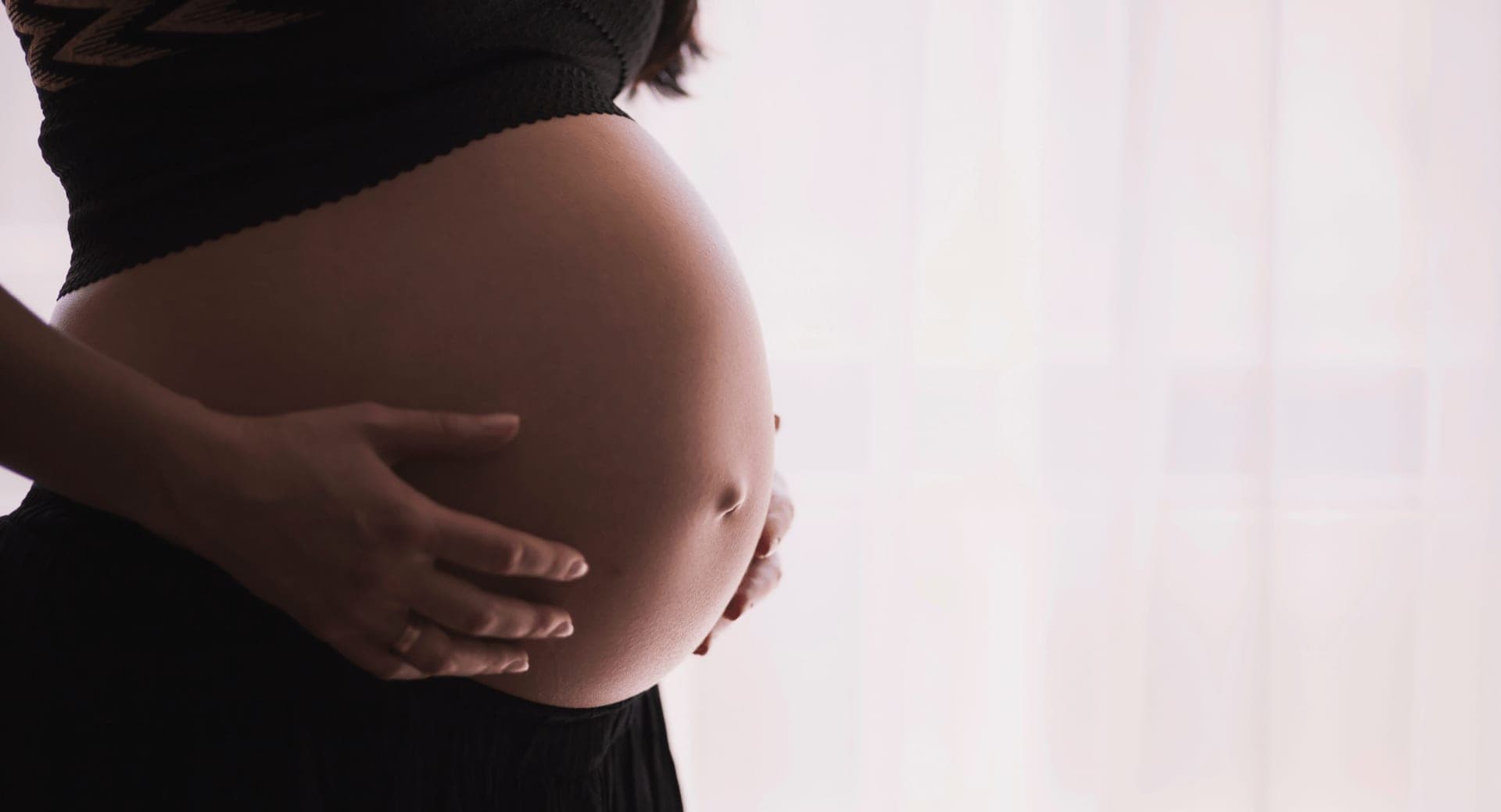
During pregnancy, your body undergoes remarkable changes to accommodate your growing baby. The uterus expands up to 40 times its normal size, your center of gravity shifts, organs move to make room, and your breathing patterns change. Hormonal fluctuations loosen ligaments and joints, while the added weight and altered posture create new stress on your musculoskeletal system.
These changes, while natural, can lead to pain, dysfunction, and long-term complications if not properly addressed. That’s where specialized physical therapy makes all the difference.
Common Conditions We Treat
Diastasis Recti Abdominis (DRA)
Abdominal separation occurs when the left and right abdominal muscles separate along the midline, creating a gap. This condition affects posture, core stability, breathing mechanics, and spinal motion. DRA is extremely common during pregnancy and postpartum, but with proper treatment, the abdominal wall can be rehabilitated and strengthened.
Pelvic Floor Dysfunction
The pelvic floor muscles support your bladder, uterus, and bowel. During pregnancy, these muscles face increased load from the growing uterus and hormonal changes that decrease strength and endurance. This can lead to urinary incontinence, pelvic pain, pelvic organ prolapse, and difficulty returning to exercise postpartum.
Low Back and Pelvic Pain
As your center of gravity shifts and ligaments loosen, many women experience sacroiliac joint pain, pubic symphysis dysfunction, sciatica, and general low back discomfort during pregnancy.
Post-Cesarean Recovery
C-section deliveries involve major abdominal surgery that requires proper rehabilitation. Our physical therapists help with scar tissue mobilization, core strengthening, and safe return to activity after cesarean birth.
Postpartum Orthopedic Issues
Wrist pain from feeding positions, upper back tension from nursing and carrying your baby, hip weakness, and core instability are common postpartum complaints that respond well to physical therapy intervention.
Prenatal Physical Therapy: Stay Strong and Active
Benefits of Prenatal PT
Research consistently supports the benefits of staying active throughout pregnancy with moderate-intensity exercise. Prenatal physical therapy helps you:
- Learn proper movement patterns as your body changes
- Maintain strength and cardiovascular fitness safely
- Reduce pregnancy-related pain and discomfort
- Prepare your body for the demands of labor and delivery
- Lower your risk of gestational diabetes and excessive weight gain
- Improve sleep quality and reduce stress
- Build core and pelvic floor awareness for postpartum recovery
What to Expect in Prenatal Physical Therapy
Your physical therapist will assess your movement patterns, posture, strength, and any areas of pain or dysfunction. Together, you’ll develop a customized exercise program that adapts to your changing body throughout each trimester.
We teach you how to:
- Move efficiently with your new center of gravity
- Support your growing belly without straining your back
- Maintain pelvic floor strength and coordination
- Modify daily activities and exercise routines safely
- Prepare your body for labor positions and pushing
Don’t wait until pain becomes severe. Addressing issues early in pregnancy prevents them from worsening and helps you stay active and comfortable throughout your pregnancy.
Postpartum Physical Therapy: Your Fourth Trimester Recovery
Why Postpartum Physical Therapy is Essential
The postpartum period is a critical time for recovery and healing. Your body has been through an incredible transformation, and it needs specialized attention to recover fully. Many women assume that certain symptoms—like urine leakage, pelvic pain, or persistent abdominal weakness—are just “part of having a baby.” They’re not. These issues can and should be treated.
At Physio Logic, we see women from 6 weeks to 8 years postpartum seeking help for concerns related to pregnancy and childbirth. While it’s never too late to address these issues, earlier intervention prevents long-term complications and ensures a safer return to exercise and daily activities.
The Fourth Trimester: Immediate Postpartum Care
Before your six-week OB/midwife clearance, focus on:
- Gentle breathing exercises to reconnect with your core
- Basic pelvic floor awareness (without kegels unless instructed)
- Posture awareness during feeding and baby care
- Proper body mechanics for lifting and carrying
- Walking gradually as you feel able
After receiving medical clearance from your OB or midwife, schedule an appointment with a specialized postpartum physical therapist. This assessment is crucial—even if you feel fine. Many issues don’t present symptoms immediately but can develop into chronic problems without proper rehabilitation.
Postpartum Physical Therapy Assessment
Your initial postpartum evaluation includes:
- Comprehensive musculoskeletal screening
- Diastasis recti assessment (measuring the gap and testing functional strength)
- Pelvic floor examination (internal assessment with your consent)
- Movement pattern analysis
- Posture and alignment evaluation
- Discussion of your goals for exercise, activity, and daily life
Returning to Exercise Safely
One of the most common questions we receive is: “When can I start exercising again?” The answer is highly individual and depends on multiple factors:
- Type of delivery (vaginal or cesarean)
- Presence of diastasis recti
- Pelvic floor function and coordination
- Any complications during pregnancy or delivery
- Your pre-pregnancy fitness level
- Current symptoms (pain, leakage, heaviness)
Our physical therapists create a progressive return-to-exercise plan that rebuilds your foundation before advancing to higher-impact activities. We guide you through:
- Foundation Phase – Breathing mechanics, deep core activation, pelvic floor coordination
- Functional Strength Phase – Full-body strengthening with proper form and core control
- Progressive Loading Phase – Gradually increasing intensity, impact, and resistance
- Return to Sport/Activity – Sport-specific training, running, jumping, lifting
This systematic approach ensures you can return to the activities you love without risking injury or pelvic floor dysfunction.
Our Integrated Approach to Prenatal & Postpartum Care
Comprehensive Team-Based Treatment
Physio Logic offers a unique integrated wellness model for prenatal and postpartum care. Our team includes:
- Doctors of Physical Therapy specializing in women’s health
- Pelvic Floor Therapists with advanced training in internal pelvic assessment and treatment
- Chiropractors for alignment and joint mobility during pregnancy and postpartum
- Pilates Instructors trained in pre and postnatal modifications
- Nutrition and Wellness Specialists supporting your overall health
This collaborative approach means you receive comprehensive care under one roof, with all providers communicating to optimize your results.
Treatment Techniques We Use
- Pelvic Floor Physical Therapy – Internal and external assessment and treatment of pelvic floor muscles
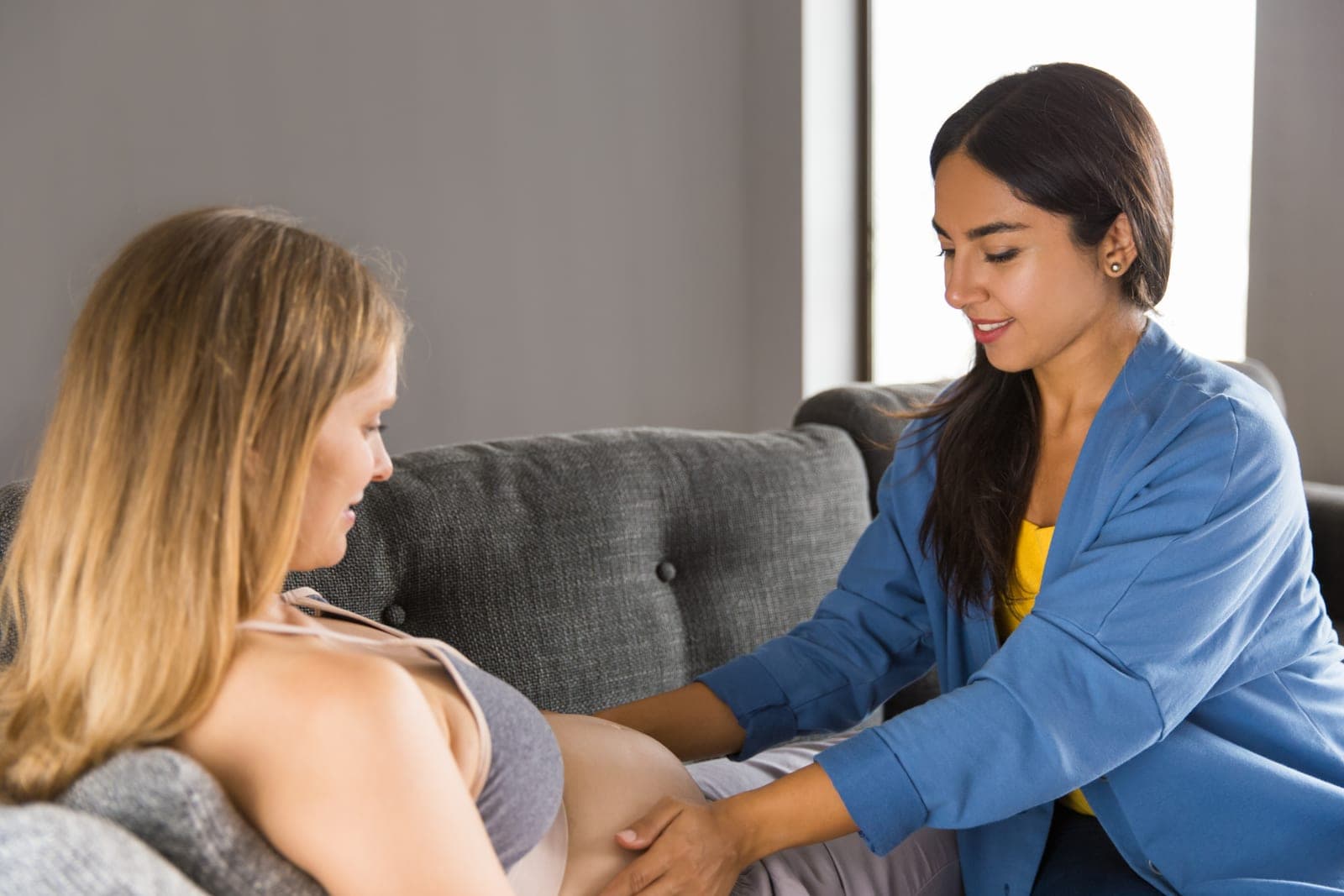
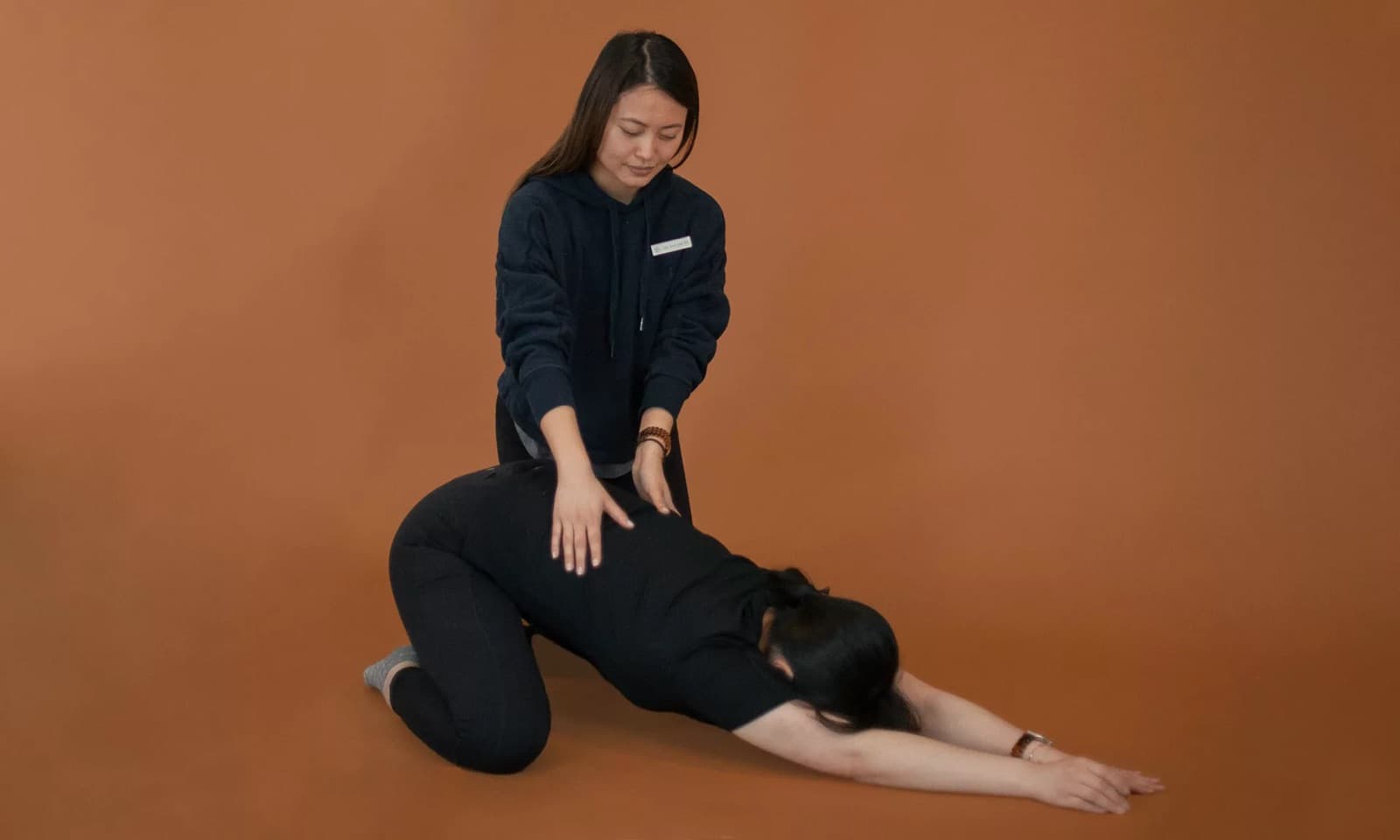
- Manual Therapy – Hands-on techniques to address joint restrictions, muscle tension, and scar tissue
- Therapeutic Exercise – Individualized programs focusing on core stability, strength, and functional movement
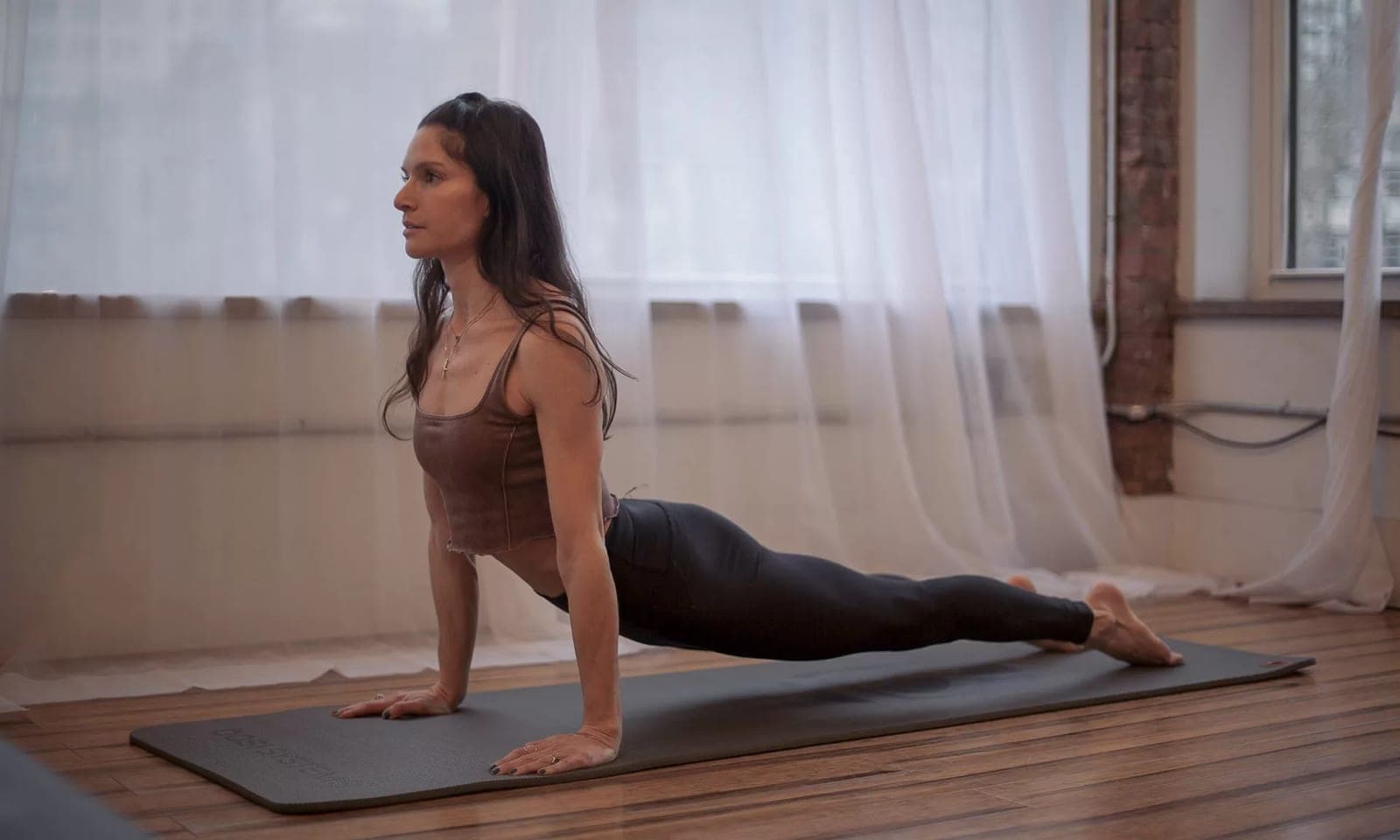
- Pilates-Based Rehabilitation – Low-impact, core-focused movement performed on specialized equipment
- Breathing Retraining – Restoring optimal breathing patterns for core and pelvic floor function
- Education – Teaching you about your body’s changes and how to support long-term health
When to Seek Prenatal & Postpartum Physical Therapy
During Pregnancy, Seek Help If You Experience:
- Low back, pelvic, or hip pain
- Pubic symphysis pain (pain in the front of your pelvis)
- Sciatic nerve pain
- Rib pain or difficulty breathing
- Wrist or hand pain/numbness
- Questions about safe exercise or modifications
Postpartum, Seek Help If You Experience:
- Urinary or fecal incontinence (even occasional leaking)
- Pelvic pain or painful intercourse
- Pelvic heaviness or bulging sensations (prolapse symptoms)
- Persistent diastasis recti beyond 8 weeks postpartum
- Low back, hip, or pelvic pain
- Difficulty returning to exercise or daily activities
- Any concerns about your recovery
Remember: You don’t have to wait for symptoms to become severe. Proactive treatment prevents many complications and supports optimal recovery.
Schedule Your Prenatal or Postpartum Physical Therapy Appointment
Whether you’re currently pregnant, recently postpartum, or still dealing with issues from a pregnancy years ago, our Brooklyn-based team is here to help. We accept most insurance plans and offer flexible scheduling to accommodate your busy life as a mother.
Located in downtown Brooklyn, Physio Logic provides convenient access to specialized prenatal and postpartum care for residents throughout NYC, including Park Slope, Carroll Gardens, Brooklyn Heights, Cobble Hill, Boerum Hill, Fort Greene, and surrounding neighborhoods.
Don’t navigate pregnancy and postpartum recovery alone. Let our expert team guide you toward a strong, healthy, and fully functional body. Schedule a call with us at (718) 260-1000 or fill out our contact form to begin your journey to optimal prenatal and postpartum health.

DR. EVA SHI, DPT
DOCTOR OF PHYSICAL THERAPY
DR. SASHA JARRETT
DOCTOR OF PHYSICAL THERAPY

DR. KEVIN DOYLE
DOCTOR OF PHYSICAL THERAPY
Read More on Prenatal & Postpartum Care
Prenatal Care: A Physical Therapist’s Perspective
A woman’s body experiences a lot of changes during her pregnancy in order to...
Prenatal and Postpartum Exercise
Have you recently had a baby, or plan on having one in the future? Curious about a...
Postpartum Health from the Perspective of a Physical Therapist
Physio Logic Physical Therapist, Dr. Sarah Kostyukovsky, PT, DPT, OCS, and new...
If you are looking for a Prenatal Massage in Brooklyn or any Prenatal and Postpartum Care in NYC do not hesitate to Schedule a Call with us or fill out the Contact Form below!
When should I start prenatal physical therapy?
You can begin prenatal physical therapy at any point during pregnancy. Some women start in the first trimester for education and prevention, while others seek care when pain or symptoms arise. Earlier intervention is always beneficial.
Do I need a referral for prenatal or postpartum physical therapy?
 While some insurance plans require a physician referral, New York State allows direct access to physical therapy. Contact our office to verify your specific insurance requirements.
How soon after delivery can I start postpartum physical therapy?
We recommend scheduling an evaluation after receiving clearance from your OB or midwife, typically around 6 weeks postpartum for vaginal deliveries and 8-10 weeks for cesarean deliveries.
Is internal pelvic floor examination necessary?
 Internal pelvic floor assessment provides valuable information but is always optional and performed only with your consent. We can still help you with external assessments and treatment if you prefer.
How long will I need physical therapy?
Treatment duration varies based on your specific needs and goals. Some women achieve their goals in 4-6 visits, while others benefit from ongoing care throughout pregnancy or longer postpartum rehabilitation programs spanning 8-12 weeks.
Can I exercise during pregnancy?
Yes! Research strongly supports moderate-intensity exercise throughout pregnancy for most women. Our prenatal physical therapists can guide you on safe exercises specific to each trimester.
What is diastasis recti and will it go away on its own?
Diastasis recti is a separation of the abdominal muscles along the midline that occurs in most pregnancies. The gap doesn’t always close completely on its own postpartum. Physical therapy can help restore proper core function.
When can I start running again after having a baby?
 Most women need at least 3-6 months postpartum before returning to running. We recommend completing a return-to-running assessment with a physical therapist before starting.
Is it normal to leak urine after having a baby?
While urinary incontinence is common postpartum, it is NOT normal and should not be ignored. Leaking urine indicates pelvic floor dysfunction that can be treated with physical therapy.
I had my baby years ago. Is it too late for postpartum physical therapy?
 It’s never too late! We see women 6 weeks to 8+ years postpartum. Your body can still benefit from proper rehabilitation, core strengthening, and pelvic floor therapy regardless of how long ago you gave birth.