Graston Technique in Brooklyn

Graston Technique for Pain

Conditions Effectively Treated with Graston Technique®

  • Ankle Pain & Sprains
  • Wrist Pain & Restrictions
  • Neck Pain & Stiffness
  • Fibromyalgia
  • Hamstring Injuries & Strains
  • Hip Pain & Dysfunction
  • IT Band Syndrome
  • Shoulder Pain & Rotator Cuff Injuries
  • Tennis Elbow (Lateral Epicondylitis)   
  • Back Pain (Acute & Chronic)
  • Golfer’s Elbow (Medial Epicondylitis)
  • Knee Pain & Patellofemoral Issues
  • Heel Pain & Plantar Fasciitis
  • Scar Tissue Restrictions
  • Trigger Finger
  • Post-Surgical Scarring
  • Women’s Health (Post-Mastectomy & Cesarean Scarring)
  • Achilles Tendonitis
  • Shin Splints
  • Carpal Tunnel Syndrome

What Is the Graston Technique®?


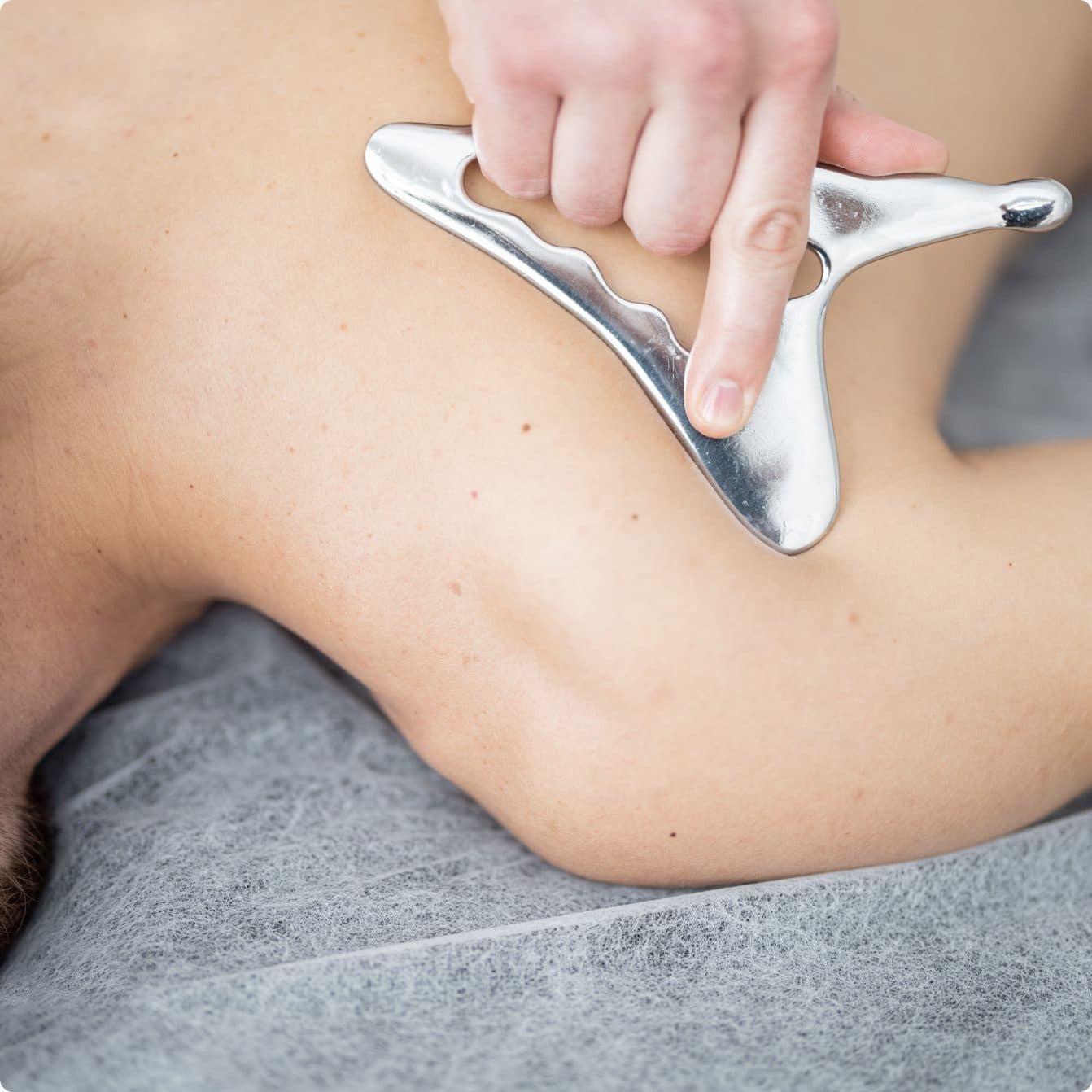
Graston Technique® is an innovative, evidence-based form of instrument-assisted soft tissue mobilization (IASTM) that enables clinicians to effectively identify and treat areas of soft tissue dysfunction, scar tissue, and fascial restrictions. This patented technique utilizes specially designed stainless steel instruments with unique treatment edges and angles to detect and break down adhesions, fibrosis, and chronic inflammation that limit mobility and cause pain.

Developed by athlete David Graston after a debilitating knee injury, the technique was born from his quest to find effective treatment when traditional therapy approaches fell short. What began as a solution for one athlete’s recovery has evolved into a gold-standard treatment protocol used by over 32,000 clinicians worldwide.

Who Uses Graston Technique®?

This interdisciplinary treatment has gained widespread adoption across multiple healthcare disciplines, including:

  • Physical Therapists
  • Certified Hand Therapists
  • Chiropractors
  • Athletic Trainers
  • Sports Medicine Physicians

Graston Technique® has become standard protocol in numerous settings:

  • Major university athletic programs
  • Professional sports teams
  • Hospital-based outpatient facilities
  • Industrial on-site treatment centers
  • Private practice clinics
  • Military rehabilitation programs

This widespread adoption speaks to the technique’s effectiveness and the consistent results clinicians achieve across diverse patient populations.

How Graston Technique® Works

The Science Behind the Treatment

When soft tissue is injured—whether through acute trauma, repetitive stress, or surgical intervention—the body forms scar tissue as part of the healing process. While scar tissue serves an important protective function initially, it often creates long-term problems:

Restricted Movement: Scar tissue and adhesions bind tissues together that should move independently, limiting range of motion.

Altered Biomechanics: Fascial restrictions change how muscles and joints function, creating compensatory movement patterns that lead to additional problems.

Persistent Pain: Adhesions can entrap nerves or create chronic inflammation, resulting in ongoing discomfort.

Reduced Blood Flow: Dense scar tissue has poor vascularization, limiting nutrient delivery and waste removal necessary for optimal tissue health.

The Treatment Process

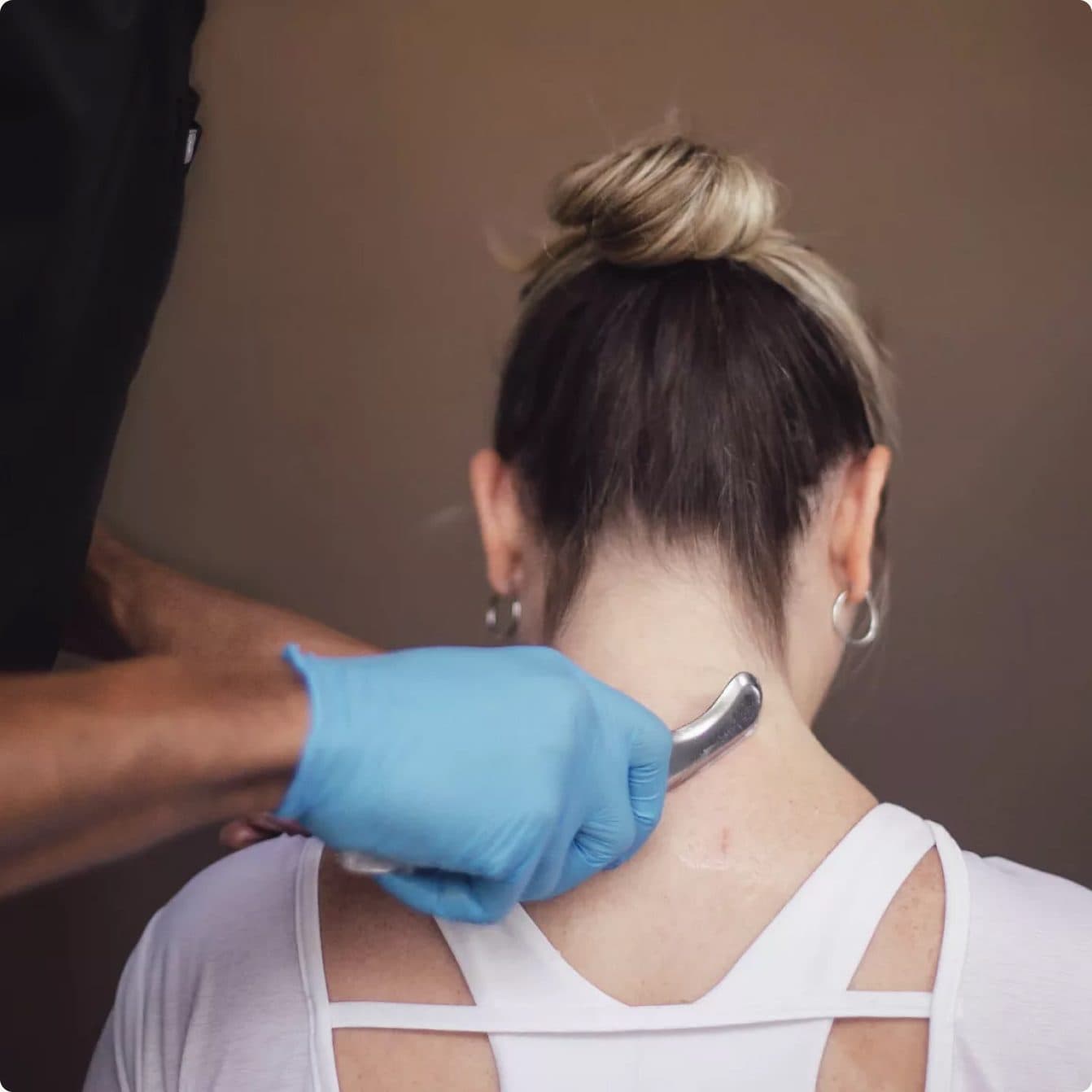
The specially designed stainless steel instruments act as an extension of the clinician’s hands, allowing for:

Precise Detection: The instruments amplify subtle tissue changes, enabling practitioners to locate areas of restriction that might be missed with manual palpation alone.

Controlled Breakdown: Systematic strokes with calibrated pressure create microtrauma that stimulates the body’s healing response, breaking down dysfunctional scar tissue while promoting the formation of healthy, properly aligned tissue.

Enhanced Healing: The mechanical stimulus increases blood flow to the treated area, delivering growth factors and nutrients that support tissue remodeling and regeneration.

Neurological Effects: The technique provides sensory input that can help “reset” pain pathways and improve proprioception (body position awareness).

What to Expect During Your Graston Technique® Treatment

Initial Evaluation (60 Minutes)

Your first visit is comprehensive and personalized. We’ll discuss:

  • Your injury history and current symptoms
  • Activities or movements that aggravate your condition
  • Previous treatments and their effectiveness
  • Your functional goals and what you hope to achieve

A thorough physical examination identifies areas of tissue restriction, scar tissue formation, and movement dysfunction. We’ll explain our findings and develop a customized treatment plan.

Treatment Sessions (30-45 Minutes)

During treatment, you can expect:

Positioning: You’ll be positioned to allow optimal access to the treatment area while remaining comfortable.

Instrument Application: Your clinician will use the specialized instruments with controlled pressure, employing various stroke patterns to address different tissue layers and restriction patterns.

Sensation: Most patients describe the sensation as a deep massage. You may feel some tenderness in areas of significant restriction, but discomfort should remain tolerable. Communication with your clinician ensures appropriate pressure throughout.

Tissue Response: Minor bruising or temporary skin discoloration (petechiae) is common and expected—it indicates the release of adhesions and increased blood flow to the area. This typically resolves within a few days.

Immediate Effects: Many patients report an immediate sensation of improved mobility and reduced tension following treatment. Some experience mild soreness that resolves within 24-48 hours.

Complementary Treatments

Graston Technique® is most effective when integrated into a comprehensive treatment plan:

  • Therapeutic exercises to restore strength and function
  • Stretching protocols to maintain improved tissue mobility
  • Ice application post-treatment to manage inflammation
  • Activity modifications during the healing process
  • Ergonomic and postural corrections to prevent recurrence

The Advantages of Graston Technique®

Non-Invasive Solution: Offers an effective alternative to surgery for many chronic conditions.

Evidence-Based: Supported by clinical research demonstrating effectiveness for various musculoskeletal conditions.

Rapid Results: Many patients experience significant improvement within 4-8 sessions, faster than many traditional approaches.

Precise Treatment: Instruments allow clinicians to target specific areas with accuracy impossible through manual techniques alone.

Addresses Root Cause: Rather than masking symptoms, the technique addresses underlying tissue dysfunction.

Versatile Application: Effective for acute injuries, chronic conditions, and post-surgical rehabilitation.

Improved Function: Restores normal movement patterns, allowing return to activities, sports, and work.

Complementary: Enhances the effectiveness of other treatments including chiropractic adjustments, physical therapy, and exercise rehabilitation.

Why Choose Physio Logic for Graston Technique®?

Certified Practitioners: Our clinicians are formally trained and certified in Graston Technique®, ensuring proper application and optimal results.

Experienced Team: Years of clinical experience successfully treating diverse conditions with IASTM.

Comprehensive Approach: We integrate Graston Technique® with chiropractic care, physical therapy, and other modalities for maximum benefit.

Patient-Centered Care: Treatment intensity and progression are customized to your tolerance and goals.

Evidence-Based Practice: Our protocols are grounded in current research and proven clinical outcomes.

State-of-the-Art Facility: Professional environment equipped with complete sets of Graston instruments and supporting rehabilitation equipment.

MEET YOUR TEAM

DR. RUDY GEHRMAN

DR. RUDY GEHRMAN

DC - CEO & FOUNDER

DR. STEPHEN SZARO, DC

DR. STEPHEN SZARO, DC

CLINIC SUPERVISOR & CHIROPRACTOR

DR. Taylor Hall

DR. Taylor Hall

CHIROPRACTOR

Read More

Frequently Asked Questions About Graston Technique®

How does the Graston Technique work?

The Graston Technique uses specially designed stainless steel instruments to detect and treat areas of soft tissue restriction, scar tissue, and fascial adhesions. The instruments are moved over the skin in controlled strokes, creating microtrauma that stimulates the body’s healing response, breaks down dysfunctional tissue, and promotes the formation of healthy, properly aligned collagen fibers.

What conditions can Graston Technique treat?

Graston Technique effectively treats tendonitis, plantar fasciitis, carpal tunnel syndrome, IT band syndrome, tennis and golfer’s elbow, rotator cuff injuries, scar tissue restrictions, shin splints, hamstring strains, ankle sprains, post-surgical scarring, fibromyalgia, and various other acute and chronic musculoskeletal conditions involving soft tissue dysfunction.

Is Graston Technique treatment painful?

Most patients describe the sensation as similar to a deep massage. You may feel some tenderness in areas with significant tissue restriction, but discomfort should remain tolerable. Minor bruising or skin discoloration is common and expected. Any mild soreness typically resolves within 24-48 hours. Your clinician adjusts pressure based on your tolerance.

How many Graston Technique sessions will I need?

Most patients see significant results within 4-8 sessions, depending on the severity and chronicity of the condition. Acute injuries may require fewer sessions, while chronic conditions or extensive scar tissue may need 8-12 sessions. Your clinician will provide an estimated treatment timeline after your initial evaluation.

Can Graston Technique be combined with other treatments?

Yes, Graston Technique is often most effective when combined with other therapies. It integrates well with chiropractic adjustments, physical therapy exercises, massage therapy, stretching programs, and rehabilitation protocols. This comprehensive approach addresses multiple aspects of your condition for optimal recovery.

Why does bruising occur with Graston Technique?

Bruising or petechiae (small red spots) occurs when the instruments break down adhesions and increase blood flow to restricted areas. This is a normal and expected response that indicates treatment is effectively addressing tissue dysfunction. The discoloration typically resolves within a few days and is not harmful.

How is Graston Technique different from regular massage?

While both involve soft tissue manipulation, Graston Technique uses specially designed instruments that amplify tissue texture changes, allowing precise detection and treatment of scar tissue and adhesions. The mechanical advantage of the instruments enables clinicians to apply more focused pressure with less strain, targeting specific dysfunctional tissue that manual techniques might miss.

Is Graston Technique safe?

Yes, when performed by a certified practitioner, Graston Technique is very safe. The treatment has been used successfully by thousands of clinicians worldwide for over 30 years. Your practitioner will perform a thorough evaluation to ensure treatment is appropriate for your condition and will adjust techniques based on your response.

What should I do after a Graston Technique treatment?

After treatment, apply ice to the treated area for 15-20 minutes to manage any inflammation. Perform any prescribed stretches or exercises. Stay well-hydrated. Avoid intense activity for the rest of the day, but maintain normal movement and light activity. Your clinician will provide specific post-treatment instructions based on your condition.

Can athletes continue training during Graston Technique treatment?

This depends on your specific condition and training demands. Many athletes can continue modified training during treatment. Your clinician will provide guidance on activity modifications, intensity adjustments, and which movements to avoid. The goal is to maintain fitness while allowing proper healing.

Does insurance cover Graston Technique?

Coverage varies by insurance plan. Graston Technique is typically covered as part of physical therapy, chiropractic care, or other covered services when medically necessary. It’s usually not billed separately but as a treatment technique within your covered visits. Our office can verify your specific benefits.

How quickly will I see results from Graston Technique?

Many patients notice improved mobility and reduced pain after just 1-2 sessions, though optimal results typically require 4-8 treatments. The timeline depends on how long you’ve had the condition, the severity of tissue restriction, and your body’s healing response. Chronic conditions that developed over months or years naturally require more time to resolve.

Can Graston Technique help old injuries or chronic conditions?

Yes, Graston Technique is particularly effective for chronic conditions and old injuries where scar tissue and adhesions have formed over time. Many patients who haven’t responded to other treatments experience significant improvement. While chronic conditions may require more sessions than acute injuries, the technique can successfully address even long-standing tissue dysfunction.

Is there anyone who shouldn't receive Graston Technique?

Graston Technique should not be used over areas with open wounds, unhealed fractures, acute infections, or certain skin conditions. It requires caution for patients taking blood thinners or with bleeding disorders. Pregnant patients should consult their physician. Your practitioner will conduct a thorough screening to ensure treatment is safe and appropriate for you.

What makes the Graston instruments special?

Graston instruments are patented, specifically designed stainless steel tools with unique beveled edges and treatment angles. The material, shape, and design amplify subtle tissue texture changes that practitioners can feel, enabling precise detection of restrictions. Each instrument is designed for specific body areas and treatment purposes, providing advantages impossible with manual techniques alone.

Can Graston Technique help with post-surgical scar tissue?

Yes, Graston Technique is highly effective for breaking down post-surgical scar tissue and adhesions that can limit mobility and cause pain. Treatment can begin once incisions are fully healed and your surgeon approves. Many patients experience significant improvement in range of motion and reduction in scar tissue restrictions after a course of treatment.

How is Graston Technique performed?

Treatment begins with a brief warm-up of the area, often using heat or light massage. The practitioner then applies a small amount of lubricant to the skin and uses the specialized instruments in controlled strokes along muscle fibers and fascial planes. Treatment typically focuses on the affected area plus related regions that may be contributing to the problem. Sessions last 30-45 minutes.

Will I need to do exercises along with Graston Technique?

Yes, therapeutic exercises and stretching are important components of a complete treatment plan. While Graston Technique breaks down restrictions and improves tissue quality, exercises help restore strength, maintain improved mobility, and prevent recurrence. Your clinician will prescribe specific exercises tailored to your condition and progression.

Can Graston Technique prevent future injuries?

Yes, by addressing underlying tissue restrictions, improving movement patterns, and restoring proper biomechanics, Graston Technique can help prevent future injuries. Many athletes use it as part of their regular maintenance and injury prevention program. Maintaining tissue quality through periodic treatment can reduce injury risk, especially for those with physically demanding activities.

What is the success rate of Graston Technique?

Clinical studies and patient outcomes demonstrate high success rates for Graston Technique, particularly for conditions like plantar fasciitis, tendonitis, and chronic soft tissue restrictions. Success rates vary by condition, but many patients experience 60-90% improvement in pain and function. The technique is especially successful for patients who haven’t responded adequately to other conservative treatments.