What We Offer
- Progressive Rehabilitation Programs
- Pilates-Based Physical Therapy
- Post-Operative & Sports Rehabilitation
- Integrative Movement Therapy
- Core Strengthening & Postural Correction
A Unique Approach to Physical Therapy
At Physio Logic, our New York State licensed Doctors of Physical Therapy combine the best of both worlds: evidence-based conventional physical therapy techniques with the transformative principles of Pilates-based rehabilitation. This integrative approach has proven remarkably successful in treating a wide range of neuromusculoskeletal conditions, from acute injuries to chronic pain.
What sets us apart is our commitment to advanced training. All of our physical therapists complete the rigorous BASI (Body Arts and Science International) Pilates Teacher Training program, recognized as one of the highest caliber Pilates certifications available worldwide. This extensive training equips our team with the expertise to seamlessly blend traditional rehabilitation methods with specialized Pilates techniques, creating truly comprehensive treatment plans.
The Pilates Advantage in Physical Therapy
Pilates is far more than a fitness trend—it's a sophisticated movement system that emphasizes the profound connection between mind and body. When integrated into physical therapy, Pilates principles create a powerful framework for healing and prevention.
Core Principles of Pilates-Based Rehabilitation:
Mind-Body Connection: Conscious awareness of movement patterns helps patients understand and correct dysfunctional habits that contribute to pain and injury.
Core Strength & Stability: Deep activation of the body's stabilizing muscles creates a strong foundation for all movement, protecting vulnerable joints and reducing injury risk.
Whole-Body Integration: Rather than isolating individual muscles, Pilates exercises engage multiple muscle groups simultaneously, promoting balanced strength and functional movement patterns.
Controlled Movement Quality: Emphasis on precision and control over speed or repetition teaches proper biomechanics that translate directly to daily activities.
Breath Coordination: Integrating breath with movement enhances core activation, reduces tension, and promotes relaxation during challenging exercises.
Progressive Resistance: Exercises can be systematically modified to match your current ability and gradually increased as you grow stronger.
Our Treatment Philosophy
True healing requires more than addressing symptoms—it demands a comprehensive understanding of how the body functions as an integrated system. Our physical therapists don't simply treat your injury or area of pain in isolation. Instead, we examine the entire kinetic chain to identify underlying weakness, imbalance, or movement dysfunction that may be contributing to your condition.
Through total body strengthening, core awareness, and functional movement training, we help you:
- Recover from acute injuries and surgical procedures
- Manage chronic pain conditions
- Improve posture and body mechanics
- Enhance athletic performance
- Prevent future injuries
- Increase overall strength, flexibility, and endurance
- Return confidently to daily activities and sports
Conditions We Treat
Our Pilates-based physical therapy approach is effective for:
- Spinal Conditions: Back pain, neck pain, herniated discs, sciatica, spinal stenosis, scoliosis
- Post-Surgical Rehabilitation: Joint replacements, spinal surgery, ACL reconstruction, rotator cuff repair
- Sports Injuries: Sprains, strains, overuse injuries, biomechanical dysfunction
- Chronic Pain: Fibromyalgia, chronic back pain, persistent joint pain
- Postural Dysfunction: Forward head posture, rounded shoulders, pelvic imbalance
- Balance & Coordination Issues: Fall prevention, vestibular dysfunction, gait abnormalities
- Women's Health: Pre/postnatal care, pelvic floor dysfunction, diastasis recti
- Arthritis: Osteoarthritis, rheumatoid arthritis joint management
- Shoulder & Hip Problems: Impingement, instability, labral tears, bursitis
Neurological Conditions: Parkinson's disease, multiple sclerosis, stroke recovery
The Versatility of Pilates Equipment
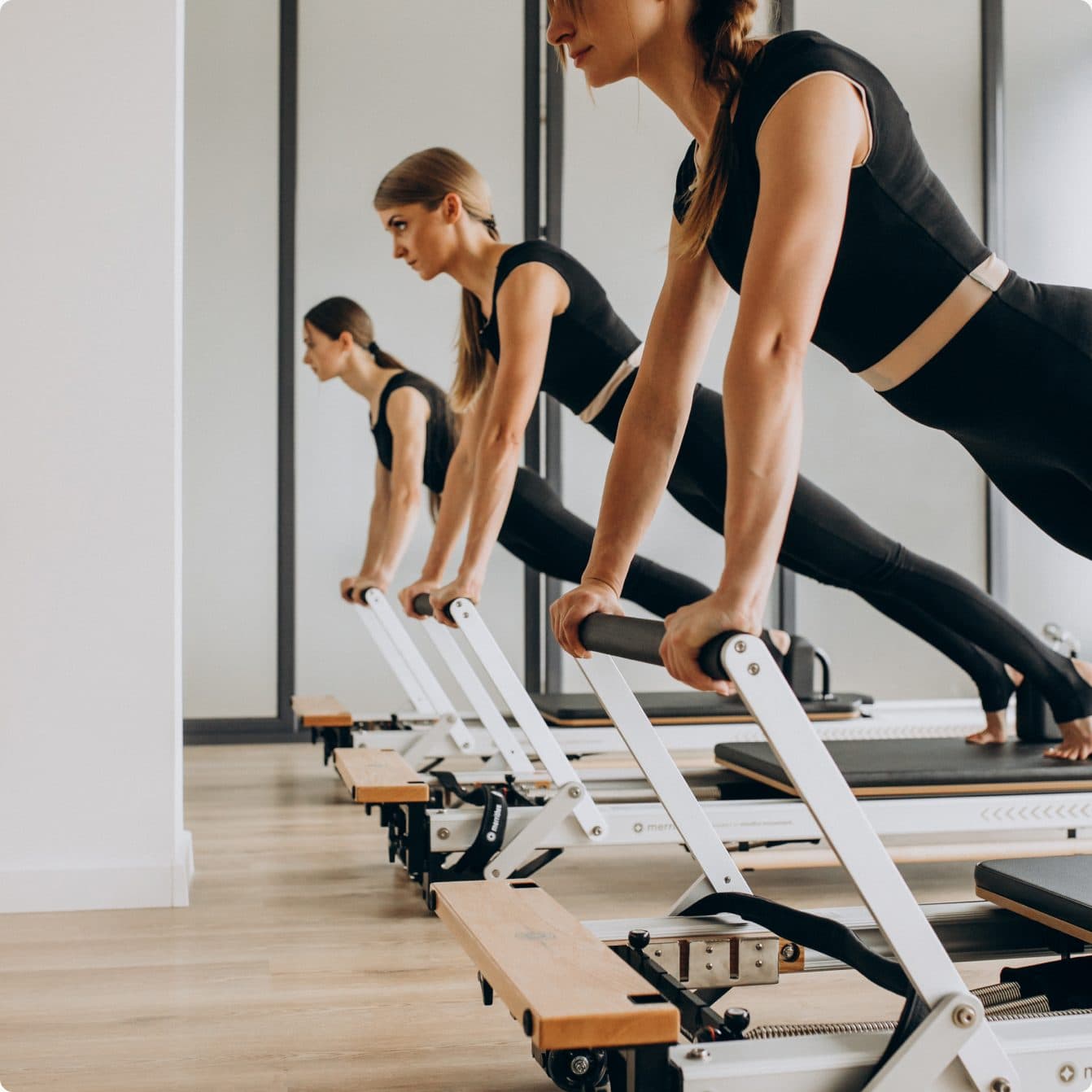
One of the greatest advantages of Pilates-based physical therapy is the specialized equipment that allows for infinite exercise variations and modifications. Our facility features professional-grade Pilates apparatus including:
Reformer: A sliding carriage with adjustable springs provides variable resistance in all planes of motion, making exercises easier or more challenging as needed.
Cadillac/Tower: Offers numerous attachment points for springs, bars, and straps, enabling exercises in lying, sitting, and standing positions.
Chair: Compact yet powerful, perfect for developing unilateral strength, balance, and functional movements like sit-to-stand transitions.
Barrels: Various sizes support spinal extension, lateral flexion, and controlled stretching.
Small Equipment: Props like resistance bands, foam rollers, stability balls, and magic circles add variety and challenge to mat-based exercises.
This versatility gives our physical therapists endless possibilities for creating individualized exercise programs tailored precisely to your abilities, limitations, and goals. Whether you're recovering from major surgery or fine-tuning athletic performance, we can design the perfect progression.
What to Expect During Treatment
Comprehensive Initial Evaluation
Your first visit includes a thorough assessment of your movement patterns, strength, flexibility, posture, and functional limitations. We'll discuss your medical history, current symptoms, and rehabilitation goals to create a personalized treatment plan.
Individualized Treatment Sessions
Each session typically lasts 45-60 minutes and includes:
- Targeted manual therapy techniques
- Progressive Pilates-based exercises
- Traditional therapeutic exercises
- Patient education on body mechanics and home care
- Modifications based on your weekly progress
Customized Modifications
What makes Pilates particularly effective for rehabilitation is its adaptability. Every exercise can be modified to accommodate your current abilities and physical limitations. As you progress, exercises are systematically advanced to continue challenging your body appropriately. Our physical therapists excel at finding the right balance between safety and progression.
Exercise Progressions
Treatment progresses through carefully designed phases:
- Pain Relief & Protection: Initial focus on reducing pain and protecting healing tissues
- Mobility & Flexibility: Restoring normal range of motion and tissue extensibility
- Stability & Strength: Building core strength and joint stability
- Functional Training: Integrating strength into real-world movement patterns
Return to Activity: Sport-specific or occupation-specific conditioning
The Benefits of Pilates-Based Physical Therapy
Patients who engage in Pilates-based rehabilitation consistently report:
- Faster Recovery: Enhanced healing through improved circulation and proper movement mechanics
- Reduced Pain: Strengthening supportive musculature decreases stress on painful joints and tissues
- Improved Posture: Core awareness and balanced muscle development naturally enhance alignment
- Better Balance: Multi-planar exercises challenge and improve proprioception and stability
- Increased Flexibility: Controlled lengthening exercises safely improve range of motion
- Enhanced Body Awareness: Mind-body focus helps you recognize and correct poor movement habits
- Greater Confidence: Mastering challenging exercises builds self-efficacy for daily activities
- Injury Prevention: Balanced strength and proper mechanics reduce future injury risk
Sustainable Results: Skills learned in therapy translate to long-term wellness practices
Why Choose Physio Logic?
Expert Training: All physical therapists are BASI Pilates certified and maintain continuing education in the latest rehabilitation techniques.
Individualized Care: One-on-one sessions ensure personalized attention and customized programming.
Comprehensive Approach: Integration of manual therapy, traditional PT exercises, and Pilates-based movement.
Professional Equipment: Full complement of clinical-grade Pilates apparatus and rehabilitation tools.
Evidence-Based Practice: Treatment protocols grounded in current research and proven clinical outcomes.
Collaborative Team: Seamless coordination with other specialists including chiropractors, acupuncturists, and massage therapists when beneficial.
MEET YOUR TEAM

DR. KEVIN DOYLE
DOCTOR OF PHYSICAL THERAPY
DR. SASHA JARRETT
DOCTOR OF PHYSICAL THERAPY

DR. EVA SHI, DPT
DOCTOR OF PHYSICAL THERAPY
Read More on Conventional + Pilates-Based Physical Therapy
Pelvic Floor Physical Therapy for Men: A Powerful Fix
If you are a man with incontinence, pelvic pain, or sexual dysfunction, you know...
The Best Physical Therapy for Sciatica in Brooklyn for You
When each step jars a sharp tug down your leg, it’s hard to think of much...
Physical Therapist Brooklyn: The Surprising New Advice You Need
Pain that returns over and over again will make you feel stuck. You try to push...
Frequently Asked Questions About Pilates-Based Physical Therapy
What is Pilates-based physical therapy?
Pilates-based physical therapy combines traditional evidence-based rehabilitation techniques with specialized Pilates exercises and principles. This integrative approach uses Pilates equipment and methods to restore function, build strength, improve flexibility, and treat neuromusculoskeletal conditions. Unlike regular Pilates classes, treatment is provided by licensed physical therapists who can address specific injuries and medical conditions.
How is Pilates-based PT different from regular physical therapy?
Pilates-based physical therapy incorporates specialized Pilates equipment (reformer, cadillac, chair) and movement principles alongside traditional PT techniques. This approach emphasizes core strengthening, full-body integration, controlled movement quality, and mind-body awareness. The equipment allows for greater exercise variety and easier modifications compared to conventional therapy, making it highly adaptable to each patient's needs.
Do I need Pilates experience to benefit from this therapy?
Absolutely not. No prior Pilates experience is necessary. Our physical therapists are trained to work with patients at all levels, from complete beginners to experienced practitioners. Every exercise is taught from the ground up and modified to match your current abilities and limitations.
What conditions can be treated with Pilates-based physical therapy?
Pilates-based PT effectively treats back and neck pain, post-surgical rehabilitation, sports injuries, arthritis, postural dysfunction, chronic pain conditions, balance issues, women's health concerns including pelvic floor dysfunction, and neurological conditions. It's particularly effective for core weakness, spinal conditions, and movement dysfunction.
Is Pilates-based physical therapy covered by insurance?
Yes, when provided by a licensed physical therapist with a physician's prescription, Pilates-based physical therapy is typically covered by insurance just like traditional physical therapy. Coverage varies by plan and may include copays or deductibles. Our office can verify your specific benefits before you begin treatment.
How long are treatment sessions?
Treatment sessions typically last 45-60 minutes depending on your specific needs and insurance coverage. Initial evaluations may take longer to allow for comprehensive assessment and treatment planning.
How many sessions will I need?
The number of sessions varies based on your condition, severity, and individual response to treatment. Acute injuries may require 6-8 weeks, while chronic conditions or post-surgical rehabilitation might need 8-12 weeks or longer. Your physical therapist will provide an estimated timeline after your initial evaluation and adjust as needed based on your progress.
What should I wear to my Pilates-based PT appointment?
Wear comfortable, form-fitting athletic clothing that allows your therapist to observe your movement patterns. Avoid loose or baggy clothing that might get caught in equipment. Pilates is typically performed barefoot or in socks with grips, so you won't need athletic shoes.
Is Pilates-based physical therapy safe after surgery?
Yes, Pilates-based physical therapy is excellent for post-operative rehabilitation. The equipment allows for supported, controlled movement that can begin even in early healing phases. Your physical therapist will follow your surgeon's protocol and progress exercises appropriately based on tissue healing timelines and your individual recovery.
Can Pilates-based PT help with chronic back pain?
Yes, Pilates-based physical therapy is highly effective for chronic back pain. The approach addresses underlying core weakness, poor movement patterns, and muscle imbalances that often contribute to persistent pain. Patients typically experience improved spinal stability, reduced pain, and better functional movement through targeted strengthening and body awareness training.
Will the exercises be too difficult for me?
No. One of the greatest strengths of Pilates-based therapy is its infinite adaptability. Every exercise can be modified to match your current abilities, whether you're recovering from major surgery or managing a chronic condition. As you progress, exercises are gradually made more challenging. Your therapist ensures you're working at the appropriate level throughout your rehabilitation.
Do I need a referral or prescription?
Requirements vary by insurance plan and state regulations. Many insurance plans require a physician's referral or prescription for physical therapy coverage. In New York, you can see a physical therapist for 10 visits or 30 days without a referral, but insurance may require one for coverage. Our office can help verify your specific requirements.
What is the BASI Pilates certification?
BASI (Body Arts and Science International) is one of the most comprehensive and respected Pilates teacher training programs worldwide. It requires hundreds of hours of training in anatomy, biomechanics, and movement analysis. All physical therapists at Physio Logic complete this extensive program, ensuring the highest level of Pilates expertise integrated with their clinical training.
Can athletes benefit from Pilates-based physical therapy?
Absolutely. Athletes often benefit significantly from Pilates-based rehabilitation. The approach develops core strength, improves movement efficiency, enhances flexibility, and corrects muscle imbalances that can lead to injury. Many professional and elite athletes incorporate Pilates into their training and rehabilitation programs for injury prevention and performance optimization.
Is Pilates-based PT appropriate for seniors?
Yes, Pilates-based physical therapy is excellent for older adults. The equipment provides support and assistance that makes exercises accessible even with limited strength or mobility. Treatment can address age-related concerns like balance problems, osteoporosis, arthritis, and postural changes. The low-impact nature makes it gentle on joints while still providing effective strengthening.
Will I have homework exercises?
Yes, home exercises are an important component of your rehabilitation. Your physical therapist will prescribe specific exercises, stretches, and movement awareness practices to perform between sessions. These homework exercises are crucial for maintaining progress and achieving optimal outcomes. Many can be done without special equipment.
Can Pilates-based PT help with posture?
Yes, improving posture is one of the primary benefits of Pilates-based physical therapy. The approach emphasizes core strength, spinal alignment, and body awareness—all essential for maintaining proper posture. Treatment addresses muscle imbalances and movement habits that contribute to postural dysfunction, leading to lasting improvements in how you sit, stand, and move.
What if I'm pregnant or postpartum?
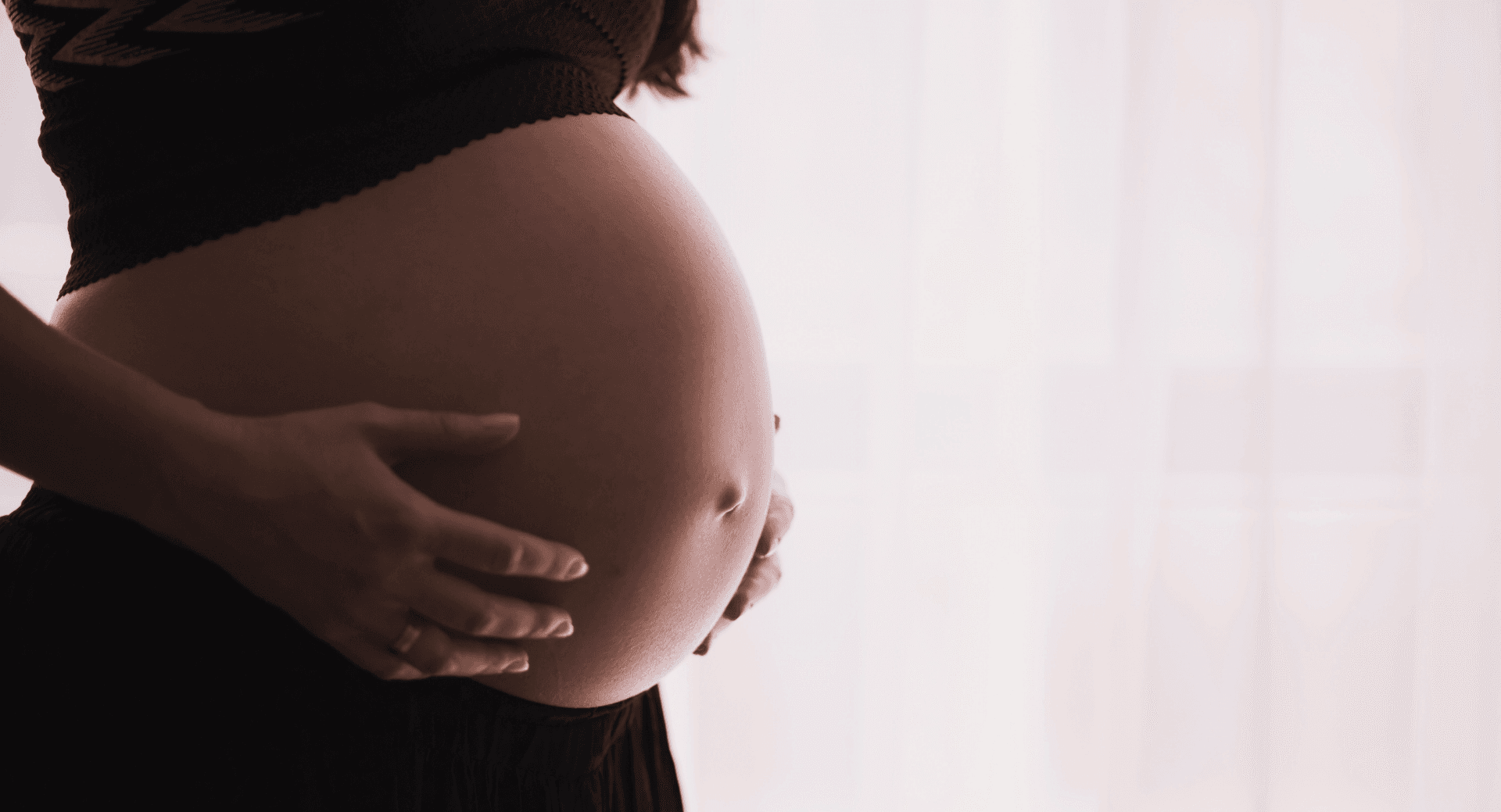
Pilates-based physical therapy is excellent for prenatal and postpartum care. Treatment can address pregnancy-related back pain, prepare your body for delivery, and support postpartum recovery including diastasis recti and pelvic floor dysfunction. Exercises are modified for each trimester and postpartum phase to ensure safety while maximizing benefit.
How is progress measured?
Progress is tracked through objective measures including pain levels, range of motion, strength testing, functional movement assessments, and your ability to perform daily activities and return to desired sports or hobbies. Your physical therapist regularly reassesses these markers and adjusts your treatment plan accordingly to ensure you're moving toward your goals.
Can I continue Pilates after physical therapy ends?
Absolutely. Many patients continue Pilates after completing physical therapy as part of their ongoing wellness routine. Your therapist can recommend appropriate Pilates classes or provide a maintenance program to help you sustain the strength, flexibility, and body awareness gained during rehabilitation. Continuing Pilates is excellent for injury prevention and long-term health.